When you’re running a small business, there’s no room for error—especially when it comes to protecting your hard-earned assets. That’s where small business insurance comes into play. But with so many options out there, figuring out the right coverage can feel like navigating a maze. Fear not! Today, we’re breaking down the essentials to make sure your business stays safe and sound.
Small business insurance isn’t just about ticking a box; it’s about understanding the unique needs of your enterprise and ensuring you have a safety net in place. Whether you’re a mom-and-pop shop or a tech startup, having the right coverage can mean the difference between weathering a storm and being swept away. Let’s dive into the must-know aspects of small business insurance that every savvy entrepreneur should have on their radar.
Understanding the Basics of Small Business Insurance
Did you know that 40% of small businesses will experience an insurance claim within the next 10 years? Shocking, right? That’s why understanding the basics of small business insurance is crucial for every entrepreneur.
Small business insurance isn’t just a safety net; it’s a strategic tool for safeguarding your company’s future. From property damage to employee injuries, the right coverage can mean the difference between thriving and barely surviving.
Core Components of Small Business Insurance
At its heart, small business insurance is about protecting your assets. It typically includes three core components: property insurance, liability insurance, and workers’ compensation. Together, these elements ensure that your business is covered from every angle.
Property insurance covers your business’s physical assets from perils like fire and theft. Liability insurance protects you if your business is blamed for causing harm to someone else. And workers’ compensation is essential if you have employees, as it covers workplace injuries and illnesses.
Types of Coverage for Small Businesses
Not all insurance policies are created equal. Here are some common types of coverage you should consider:
- General Liability Insurance: Protects against claims of bodily injury or property damage.
- Professional Liability Insurance: Covers errors and omissions in your professional services.
- Business Owners’ Policy (BOP): Combines property and liability insurance in one package.
- Commercial Auto Insurance: Protects vehicles used for business purposes.
The Importance of Liability Coverage for Small Enterprises
Think your business is too small for a lawsuit? Think again. Liability coverage is a must-have. It shields your business from potentially devastating legal claims. In fact, one lawsuit could easily bankrupt a small business without insurance.
Pro Tip: Always assess the risks unique to your industry and tailor your liability coverage accordingly.
Impact of Business Size on Insurance Needs
Here is the deal: The size of your business directly affects your insurance needs. Smaller businesses might get by with a Business Owners’ Policy, while larger enterprises require more extensive coverage. The bigger you grow, the higher your risks and the more comprehensive your insurance should be.
For example, a tech startup may need robust cybersecurity coverage as it scales, while a retail store might focus more on product liability. Tailoring your insurance to your business’s current size and growth trajectory is key.
Types of Insurance for Small Businesses
Did you know that 40% of small businesses never recover from a disaster without insurance? Insurance is your safety net when things go sideways. But what kind of insurance do you actually need?
There are a *ton* of insurance options out there. But here’s the deal: not all policies are created equal. Picking the right one can mean the difference between sinking or swimming.
Common Insurance Policies for Small Businesses
Let’s break down the essentials. Here are the most common types of insurance policies perfect for small businesses like yours:
- General Liability Insurance: Covers legal issues due to accidents, injuries, and claims of negligence.
- Property Insurance: Protects your building and its contents against damage or theft.
- Workers’ Compensation Insurance: Provides medical benefits and wage replacement to employees injured in the course of employment.
- Professional Liability Insurance: Also known as Errors and Omissions (E&O) insurance, this covers your business against malpractice, errors, and negligence in service you provide.
- Product Liability Insurance: For businesses that manufacture products for sale on the general market.
| Insurance Type | Coverage Options | Benefits | Potential Risks |
|---|---|---|---|
| General Liability | Accidents, injuries, claims | Protects against legal issues | Doesn’t cover professional errors |
| Property Insurance | Building, contents | Safeguards physical assets | Excludes natural disasters |
| Workers’ Comp | Medical, wages | Employee protection | High premiums |
Choosing the Right Insurance for Your Industry
Now, you might be wondering: “How do I choose the best policy for my industry?” Here is how:
- Identify the specific risks in your industry. Are you in tech? Consider cyber insurance. Own a restaurant? Product liability might be crucial.
- Consult with an insurance broker. They know the ins and outs and can recommend a tailored package.
- Compare different providers. Not all insurance companies are created equal. Shop around!
Pro Tip: Always read the fine print. Understanding policy exclusions can save you from a nasty surprise down the road!
Industry-Specific Insurance Needs
Here’s the truth: every industry has unique needs. Let’s look at some examples:
- Retailers need property insurance to cover inventory and customer injuries.
- Tech companies should prioritize cyber liability to protect against data breaches.
- Contractors often require bonding and liability to cover on-site accidents and equipment damage.
- Healthcare providers must have malpractice insurance to safeguard against lawsuits.
Cost Factors and Budgeting for Small Business Insurance

Did you know that 40% of small businesses don’t have any insurance? That’s a risky move considering the potential costs of unexpected events. You might be wondering why some insurance premiums are higher than others. Let’s break it down.
The cost of your small business insurance can vary significantly based on a few key factors. These include the type of business you run, your location, the number of employees, and the specific risks associated with your industry. BUT here’s the deal: understanding these factors can empower you to make smarter decisions about your insurance needs.
Factors Influencing Insurance Premiums
First up, your industry type plays a massive role. A construction business, for instance, will have higher premiums due to inherent risks compared to an office consultancy. Second, consider your business location; certain areas might be prone to natural disasters, increasing your premiums. Lastly, the claims history of your business can also impact costs. If you’ve had multiple claims in the past, insurers might see you as a higher risk.
Calculating Insurance Budgets for New Businesses
Starting fresh? Calculating your insurance budget doesn’t have to be daunting. Here’s how you can do it:
- Estimate your annual revenue. This gives you a baseline for how much coverage you might need.
- Consider your assets and liabilities. The more you have to protect, the more coverage you’ll need.
- Factor in industry-specific risks. Are you in a high-risk sector? Your budget needs to reflect that.
Pro Tip:
Always set aside a contingency fund. It acts as a financial buffer for unexpected premium hikes or additional coverage needs.
Evaluating Cost-Effective Insurance Options
So, how do you ensure you’re getting the best deal? Start by comparing policies. Look at what each policy covers and at what cost. Pay attention to deductibles and coverage limits. Sometimes a cheaper premium can mean higher out-of-pocket costs when you file a claim.
Comparison of Insurance Providers
Here’s a quick rundown of some insurance providers offering coverage for small businesses. This will help you make an informed choice:
| Provider | Coverage Options | Average Cost | Special Features |
|---|---|---|---|
| Provider A | General Liability, Property | $500/month | Discounts for no claims |
| Provider B | Professional Liability, Cyber | $450/month | 24/7 Claim Support |
| Provider C | Business Owner’s Policy | $600/month | Customizable Coverage |
Challenges in Obtaining Small Business Insurance
Did you know that 40% of small businesses have no insurance at all? It’s a shocking stat considering the risks. But if you’re a small business owner, you know that securing insurance isn’t always a walk in the park. Let’s dive into the hurdles and how to leap over them.
Getting insurance for your small business can feel like solving a Rubik’s cube blindfolded. The process is often complicated by a lack of understanding, confusing paperwork, and the fear of rejection. The good news? There are clear-cut strategies to make the process smoother.
Understanding Common Obstacles
First, let’s talk about the most common roadblocks. One major obstacle is the complex insurance jargon that can leave you more confused than a chameleon in a bag of Skittles. Then there’s the issue of limited coverage options for specific industries, which means you might not find a one-size-fits-all policy.
Here is the deal: insurers often view new businesses as high-risk due to their lack of history. This risk factor alone can lead to higher premiums or outright denial. But knowing these challenges is the first step to overcoming them.
Overcoming Application Process Challenges
So how do you jump these hurdles? Step #1: Arm yourself with knowledge. Understand your business’s specific needs and the types of insurance available. Step #2: Work with an insurance broker who can guide you through the process and help negotiate better terms.
Another key step is to maintain a clean financial record. This means keeping your books in order, which can drastically improve your insurability. Pro Tip: “The more organized your records, the more likely you are to secure a favorable insurance policy.”
Maintaining Compliance with Insurance Requirements
Compliance is not just a buzzword—it’s your ticket to keeping your insurance intact. Make sure you regularly update your policies to reflect any business changes and adhere strictly to policy terms.
Consider creating a compliance checklist. This ensures you’re not missing out on any key requirements and helps keep your insurance premiums in check. In essence, being proactive about compliance is like having insurance for your insurance.
Strategies for Improving Insurability for High-Risk Businesses
If you’re in a high-risk industry, all hope is not lost. You can still improve your insurability with a few strategic moves. Step #1: Implement risk management practices. This could mean anything from improving workplace safety to adopting cybersecurity measures.
Step #2: Present your business as a low-risk entity to insurers by showcasing any safety certifications or industry accolades. This not only improves your chances of getting insured but also potentially lowers your premiums.
Finally, building a strong relationship with your insurer can go a long way. Regular communication and transparency about your business operations can create trust and open doors for better insurance terms.
Risk Management and Small Business Insurance
Did you know that 40% of small businesses never reopen after a disaster? That’s why having a solid risk management plan is crucial. Insurance plays a key role in protecting your business from unforeseen events.
Insurance is more than just a safety net. It’s a strategic tool in your risk management arsenal. By evaluating your business’ vulnerabilities, you can use insurance to mitigate potential risks and safeguard your future.
Guidelines for Assessing and Mitigating Risks Through Insurance
Start by identifying what could go wrong. Is it property damage, liability claims, or perhaps cyber threats? Then, assess the potential impact of these risks on your business. Using this information, you can select the right types of insurance policies to cover those specific risks.
- List all potential risks and rank them by likelihood and impact.
- Consult with insurance professionals to understand policy options.
- Choose policies that align with your risk priorities.
Insurance alone isn’t enough. Combine it with other risk management strategies to reduce risks in the first place.
Updating Insurance Policies as Business Risks Evolve
Your business is always changing, and your insurance needs to keep pace. Regularly review your policies to ensure they still align with your current risk profile. Have you introduced new products or services? Are there new regulations affecting your industry?
Here is the deal: update your insurance annually or upon any major business changes. This way, you’re not caught off guard when circumstances shift.
Pro Tip: Schedule insurance reviews at the same time as annual financial audits. This ensures a thorough analysis of evolving risks and coverage.
Designing a Risk Management Strategy with Insurance
Integrate insurance into a comprehensive risk management strategy. Start by creating a risk management plan that includes risk identification, analysis, prioritization, and mitigation.
- Identify Risks: Assess your business environment and operations.
- Analyze Impact: Determine the financial and operational impact of each risk.
- Prioritize: Focus on high-impact, high-likelihood risks first.
- Mitigate: Use insurance and other risk management tactics to reduce exposure.
Insurance is a powerful ally in this process. With the right coverage, you can face the future with confidence.
Case Studies and Success Stories of Small Business Insurance
Ever wondered how some businesses bounce back stronger after a disaster? The secret sauce is often robust insurance coverage. Here, we’re diving into stories of businesses that turned potential disasters into mere speed bumps.
You’ll see how smart insurance choices made all the difference. From natural disasters to unexpected lawsuits, these businesses navigated the storm, and you can too.
Stories of Recovery and Resilience
Meet Sarah, owner of a bustling bakery in downtown Portland. A freak storm caused flooding that ruined much of her equipment and inventory. It seemed like the end of the road. But Sarah had a comprehensive insurance plan. Within weeks, she was back in business, thanks to a quick payout that covered her losses.
Then there’s Tom, who runs a small tech startup. A cyber attack compromised sensitive client data. Here is the deal: Tom’s cyber insurance policy covered legal fees and data recovery costs, preventing what could have been a reputation-destroying event.
Benefits of Comprehensive Insurance Plans
Comprehensive plans aren’t just for big corporations. Small businesses need them too. Let’s look at why:
- Quick Recovery: Faster payouts mean less downtime.
- Peace of Mind: You’re covered for more scenarios.
- Broad Protection: Covers unexpected risks that basic policies miss.
Lessons from Challenges Due to Inadequate Insurance
Not everyone gets it right, and there’s a lot we can learn from those who didn’t. Mike owned a graphic design studio. He thought his basic liability insurance was enough. But when a client sued over a missed deadline, Mike found himself paying hefty legal fees out of pocket. His lack of professional liability insurance was a costly oversight.
Pro Tip: Don’t skimp on coverage to save a few bucks. The risks are rarely worth it.
Another tale comes from a small retail store that suffered a break-in. The owner, Linda, had only insured her physical space, not the assets inside. The cost of replacing stolen goods came straight out of her profits.
These stories emphasize the importance of tailoring insurance to fit your business needs. Learn from these real-world examples and ensure you’re not leaving your business exposed.
Final Summary
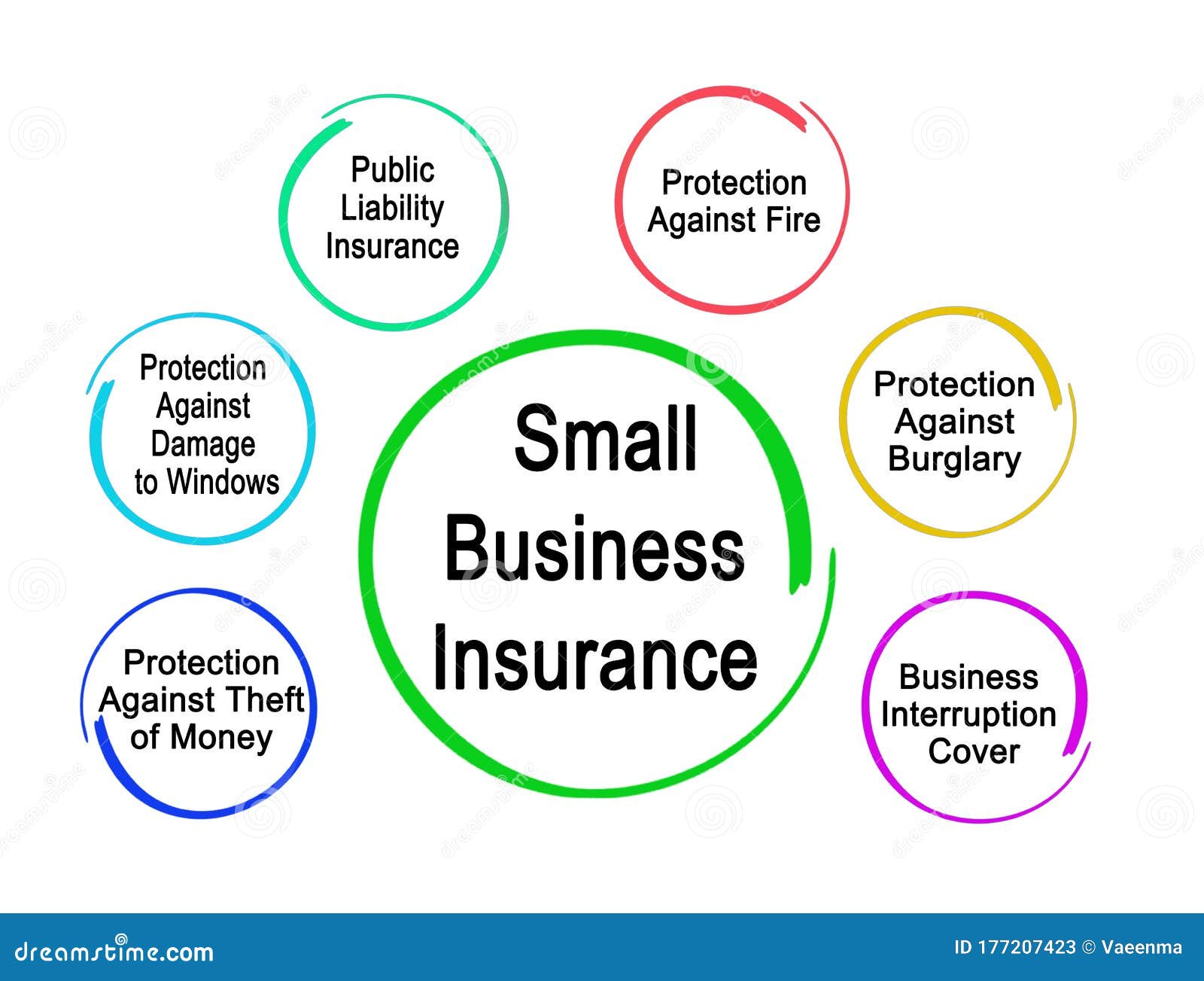
In the ever-evolving landscape of small business, insurance isn’t just a luxury—it’s a necessity. By arming yourself with knowledge and understanding the ins and outs of coverage, you’re setting your business up for success. Remember, the right insurance policy doesn’t just protect your business; it provides peace of mind, allowing you to focus on what truly matters—growing your empire.
Answers to Common Questions
What are the core components of small business insurance?
The core components typically include liability coverage, property insurance, and workers’ compensation. These elements help protect against lawsuits, physical damage, and employee-related claims.
How does business size impact insurance needs?
Larger businesses may require more comprehensive coverage due to higher risk exposure, while smaller businesses might focus on essential protections to control costs.
What are common challenges in obtaining small business insurance?
Challenges include high premiums, complex application processes, and finding coverage tailored to specific industry needs.
How can small businesses mitigate insurance costs?
Small businesses can lower costs by bundling policies, improving risk management practices, and regularly reviewing coverage for unnecessary expenditures.
Why is liability coverage important for small businesses?
Liability coverage protects against claims related to injuries, accidents, or negligence, which can otherwise lead to costly lawsuits and financial strain.
What are industry-specific insurance needs?
Specific industries might need unique coverage, such as professional liability for consultants or product liability for manufacturers.
How can businesses improve their insurability?
Businesses can improve insurability by maintaining good credit, implementing safety protocols, and keeping thorough records of operations and claims.
