Grasping the intricacies of small business insurance is like unlocking a vault of financial security. Imagine, as a small business owner, having a protective shield against unforeseen risks. This isn’t just a fantasy—it’s an achievable reality with the right insurance coverage.
At Backlinko, we’ve seen the transformative power of business insurance. It doesn’t just mitigate risks; it empowers entrepreneurs to thrive, knowing they’re covered. Dive into this comprehensive guide and discover how small business insurance can be your safety net and catalyst for growth.
Understanding Small Business Insurance
Did you know that 40% of small businesses will file an insurance claim in the next 10 years? That’s a massive risk if you’re not covered. Small business insurance is your safety net against unforeseen disasters.
This essential coverage protects your business from potential financial losses due to accidents, liability claims, or other unexpected events. Without it, you could face crippling expenses that threaten your company’s survival.
Types of Coverage Offered Under Small Business Insurance
Small business insurance isn’t one-size-fits-all. It comes in various forms to suit different needs. From general liability to professional liability, the options are vast.
- General Liability Insurance: Covers third-party bodily injury and property damage.
- Professional Liability Insurance: Protects against negligence claims.
- Business Interruption Insurance: Compensates for lost income during unexpected shutdowns.
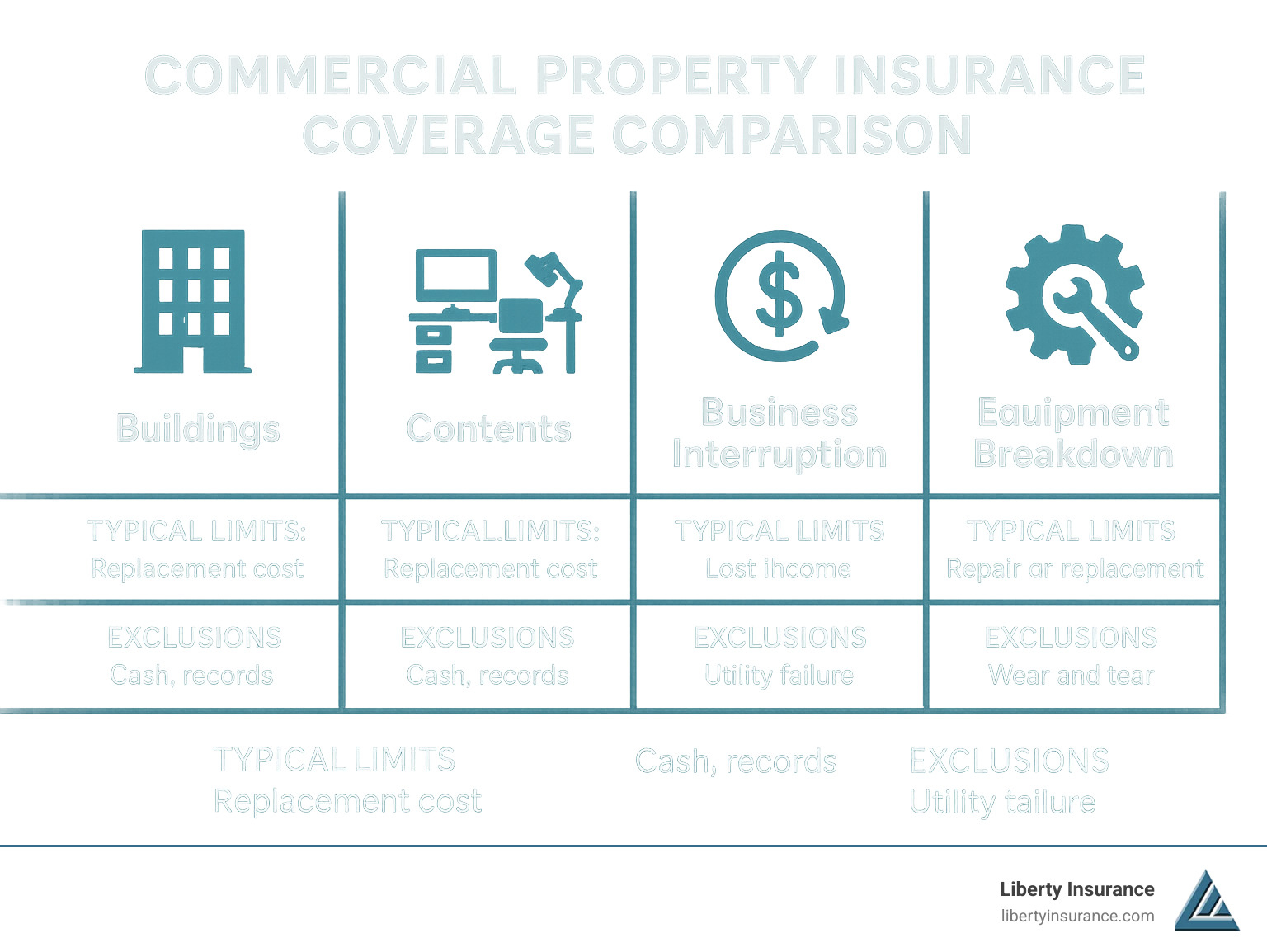
- Commercial Property Insurance: Safeguards your physical assets.
Comparison of Different Small Business Insurance Policies
Not sure which policy is right for you? Here’s the deal: Compare policies side by side to see what fits your business best.
| Policy Type | Coverage | Average Cost |
|---|---|---|
| General Liability | Third-party injury/property | $500-$1,000/year |
| Professional Liability | Negligence claims | $600-$1,800/year |
| Business Interruption | Lost income | $750-$1,200/year |
| Commercial Property | Physical assets | $1,000-$3,000/year |
Common Risks Covered by Small Business Insurance
Every business faces risks. But the right insurance policy covers those risks, letting you sleep easy at night.
From slip-and-fall accidents to data breaches and property damage, the range of coverage is extensive. Don’t wait for disaster to strike.
Pro Tip: Always review your policy annually to ensure you have adequate coverage for new risks.
By understanding your options and the specific risks your business could encounter, you can make informed decisions. And that’s how you protect your business!
Benefits of Business Insurance for Small Enterprises
Did you know 40% of small businesses face a claim in their first 10 years? That’s a staggering figure. Business insurance isn’t just a safety net; it’s a lifeline.
Without proper insurance, one unforeseen incident could cripple your operations. But there’s more to it than just protection from disasters.
Safeguarding Against Unexpected Financial Burdens
Imagine a customer slips and falls in your store. Suddenly, you’re facing a lawsuit that could cost you tens of thousands. With business insurance, those expenses are covered. No business should be blindsided by costs that insurance could have managed.
Here is the deal: Small businesses operate on thin margins. One big hit and it’s game over. Insurance can be your shield against these unpredictable financial burdens.
Real-World Examples of Insurance in Action
Take the case of a local bakery that suffered a fire. The owner had the foresight to secure comprehensive property insurance. Thanks to that, they received compensation to rebuild and restock. Instead of closing, they came back stronger.
But it’s not just about disasters. Consider a tech startup that faced a data breach. Their cyber liability insurance covered the cleanup and legal fees, saving them from potential bankruptcy.
Pro Tip: Always customize your insurance policy to match your business’s unique risks.
Key Components of a Business Insurance Policy
Did you know that 40% of small businesses never reopen after a disaster? That’s why having a solid business insurance policy isn’t just important—it’s essential. But what exactly makes up a business insurance policy?
Here is the deal: A comprehensive business insurance policy is like a safety net, covering various risks and liabilities. To keep it simple, we’ll break down the key components you need to know about. Understanding these will help you tailor a policy that fits your small business like a glove.
Primary Coverage Components
First, you need to know the primary coverage components that form the backbone of most business insurance policies. These components are essential for protecting your business from common pitfalls.
| Component | Description | Applicability |
|---|---|---|
| General Liability Insurance | Covers legal hassles due to accident, injuries, and claims of negligence. | Applies to all businesses dealing with the public or customers on-site. |
| Property Insurance | Protects your physical assets against damage or theft. | Crucial for businesses with physical locations or significant inventory. |
| Workers’ Compensation Insurance | Covers medical treatment and lost wages for employees injured on the job. | Mandatory for businesses with employees in most states. |
| Business Interruption Insurance | Compensates for lost income during periods of downtime after a covered event. | Ideal for businesses heavily reliant on a physical location. |
Additional Coverage Options
After getting the basics down, consider these additional coverage options to further safeguard your business. These are more specialized, targeting unique risks faced by certain industries.
| Component | Description | Applicability |
|---|---|---|
| Professional Liability Insurance | Covers legal costs arising from professional errors or omissions. | Essential for service-based businesses like consultants or accountants. |
| Product Liability Insurance | Protects against claims related to product defects or harm. | Crucial for manufacturers and retailers. |
| Cyber Liability Insurance | Provides coverage for data breaches and cyberattacks. | Highly recommended for businesses that store sensitive client information. |
Pro Tip: Regularly review and update your policy to reflect changes in your business operations. This will ensure you’re not caught off guard by unforeseen risks.
Choosing the Right Insurance for Your Small Business
Did you know that 40% of small businesses never reopen after a natural disaster? That’s why choosing the right insurance is crucial. You can’t afford to get this wrong.
But with so many options out there, how do you pick the right policy for your small business? Here’s the deal: it all comes down to knowing your needs and doing a bit of homework.
Strategies for Selecting the Right Insurance Policy
You need a solid strategy to pick the right insurance. Step #1: Determine what risks your business faces. Consider everything from theft to natural disasters. Step #2: Identify what coverage is legally required in your sector. Step #3: Think about your budget. Be honest about what you can afford.
Step-by-Step Guide for Evaluating Insurance Needs
Evaluating your insurance needs isn’t rocket science. Here’s a step-by-step guide:
- List all potential risks and hazards your business might face.
- Consult with a professional to understand industry-standard coverage.
- Prioritize your risks to understand where insurance is most needed.
- Compare mandatory vs. optional coverages.
- Review your current policies to identify coverage gaps.
Comparison of Various Insurance Providers
Here’s a quick comparison of different providers to save you time:
| Provider | Specialty | Pros | Cons |
|---|---|---|---|
| Provider A | Comprehensive coverage | Wide network, customizable plans | Higher premiums |
| Provider B | Low-cost options | Affordable rates, quick claims process | Limited coverage options |
| Provider C | Small business focus | Tailored plans, excellent customer service | Limited geographic availability |
Factors to Consider When Choosing an Insurance Policy
When picking a policy, think about these key factors:
- Coverage needs: Match the policy to your business risks.
- Cost: Ensure the premium fits your budget.
- Provider reputation: Check reviews and ratings.
- Claims process: How easy is it to make a claim?
- Flexibility: Can the policy grow with your business?
Pro Tip: Always read the fine print. Missing details can cost you big time.
Choosing the right insurance policy isn’t just about protection; it’s about peace of mind. Get it right, and you’re one step closer to safeguarding your business’s future.
Common Challenges in Business Insurance

Are you tired of the constant confusion around your business insurance policy? You’re not alone. Navigating the world of business insurance can feel like trying to solve a Rubik’s Cube blindfolded.
But here’s the deal: understanding the common challenges small businesses face with insurance can save you time, money, and headaches. Let’s dive into how you can tackle these obstacles effectively.
Understanding Policy Terms Clearly
Did you know that over 40% of small business owners don’t fully understand their insurance policy terms? This lack of clarity often leads to disputes and claims being denied. To overcome this, it’s crucial to thoroughly review your policy and ask your agent to clarify any jargon you don’t understand. Keep a checklist of key terms and conditions, and don’t hesitate to ask questions.
Disputed Insurance Claims
Insurance claims are often disputed due to misunderstandings or incorrect filings. Imagine having your claim for water damage denied because of a missed detail. To prevent this, ensure your claims are filed accurately and promptly. Document everything meticulously and keep a detailed log of communications with your insurer. Pro Tip: Always take photos and gather evidence immediately when an incident occurs.
Identifying Common Coverage Gaps
Small businesses frequently face the issue of coverage gaps, which can leave them vulnerable. Start by conducting a comprehensive risk assessment to identify potential exposures. Consult with an insurance expert to tailor your policy to cover these gaps. Remember, the goal is to have a safety net that matches your specific business needs.
Navigating Premium Increases
It’s frustrating when your insurance premiums unexpectedly increase. This often happens due to changes in the market or your business profile. To manage this, regularly review your policy and negotiate with your insurer. Consider bundling multiple policies for a better rate and always shop around for competitive quotes.
Effective Communication with Insurers
One major challenge is the communication gap between businesses and insurers. If you feel like your concerns aren’t being addressed, keep pushing for clarity. Establish a direct line of contact with your insurance representative and schedule periodic reviews of your policy. Good communication can prevent many issues from escalating.
| Challenge | Solution |
|---|---|
| Confusing Policy Terms | Request explanations and use a checklist |
| Disputed Claims | File accurately and document evidence |
| Coverage Gaps | Conduct risk assessments |
| Premium Increases | Review and negotiate |
| Communication Gaps | Establish direct contact and regular reviews |
Future Trends in Small Business Insurance
Are you ready to dive into the future of small business insurance? The landscape is evolving at warp speed, and if you blink, you might miss some game-changing trends.
From AI-driven underwriting to personalized premiums, the insurance industry is on the cusp of a revolution. These trends could redefine how small businesses protect themselves from risks and seize opportunities for growth.
Emerging Technologies Reshaping Insurance
Technology is transforming insurance as we know it. Insurers are leveraging artificial intelligence to streamline underwriting and claims processes. This means faster decisions and potentially lower premiums for you.
Meanwhile, blockchain ensures transparency and security in policy contracts, making it harder for fraud to slip through the cracks. It’s like having a digital fortress protecting your business.
| Technology | Advancement | Impact on Insurance |
|---|---|---|
| AI | Automated Underwriting | Faster, more accurate policy issuance |
| Blockchain | Smart Contracts | Enhanced transparency and security |
| IoT | Real-time Data Collection | Tailored risk assessment |
Regulatory Shifts on the Horizon
Changes in regulations are not just inevitable—they’re essential. Governments worldwide are eyeing stricter data privacy laws, which will impact how insurers collect and store your information.
Plus, as climate change becomes a more pressing issue, expect regulations around environmental liability to tighten. This could mean new insurance requirements for businesses operating in high-risk industries.
Pro Tip: Stay informed about regulatory changes. They can directly impact your coverage options and costs.
Conclusion
In conclusion, understanding and securing the right small business insurance is more than just a necessity—it’s a strategic advantage. With this knowledge, you’re equipped to make informed decisions, ensuring your business not only survives but also thrives amidst challenges. So, don’t just protect; propel your business forward.
Answers to Common Questions
What is small business insurance?
Small business insurance is a policy designed to protect a business from financial losses due to various risks and unforeseen events.
Why is small business insurance important?
It safeguards your business from potential financial setbacks, allowing you to focus on growth and stability.
What types of coverage are available under small business insurance?
Common types include general liability, property insurance, and professional liability, among others.
How can I choose the right insurance for my small business?
Evaluate your business needs, compare policies, and consider factors like coverage limits and premiums.
What are some common risks covered by small business insurance?
Risks such as property damage, liability claims, and employee-related issues are often covered.
